

 Español
What we do and why it affects you.
There are things that have happened in Spain over the last ten years that have changed the public debate on migration forever. Behind all of it: us.
News stories that led the evening bulletins. Investigations that forced ministers to appear before Congress. Campaigns that mobilised 900 organisations. Data that was used to pass the largest regularisation in Spanish democratic history.
A small team, hundreds of volunteers, years of researching, fact-checking, testing and organising. With the support of a small group of founding donors and 300 regular contributors.
There are things that affect your life — what you vote for, what you pay in taxes, what the State tells you and what it hides from you — that someone had to investigate, bring to light and put into the public debate. That work, for ten years, we have done.
A decade
of real impact
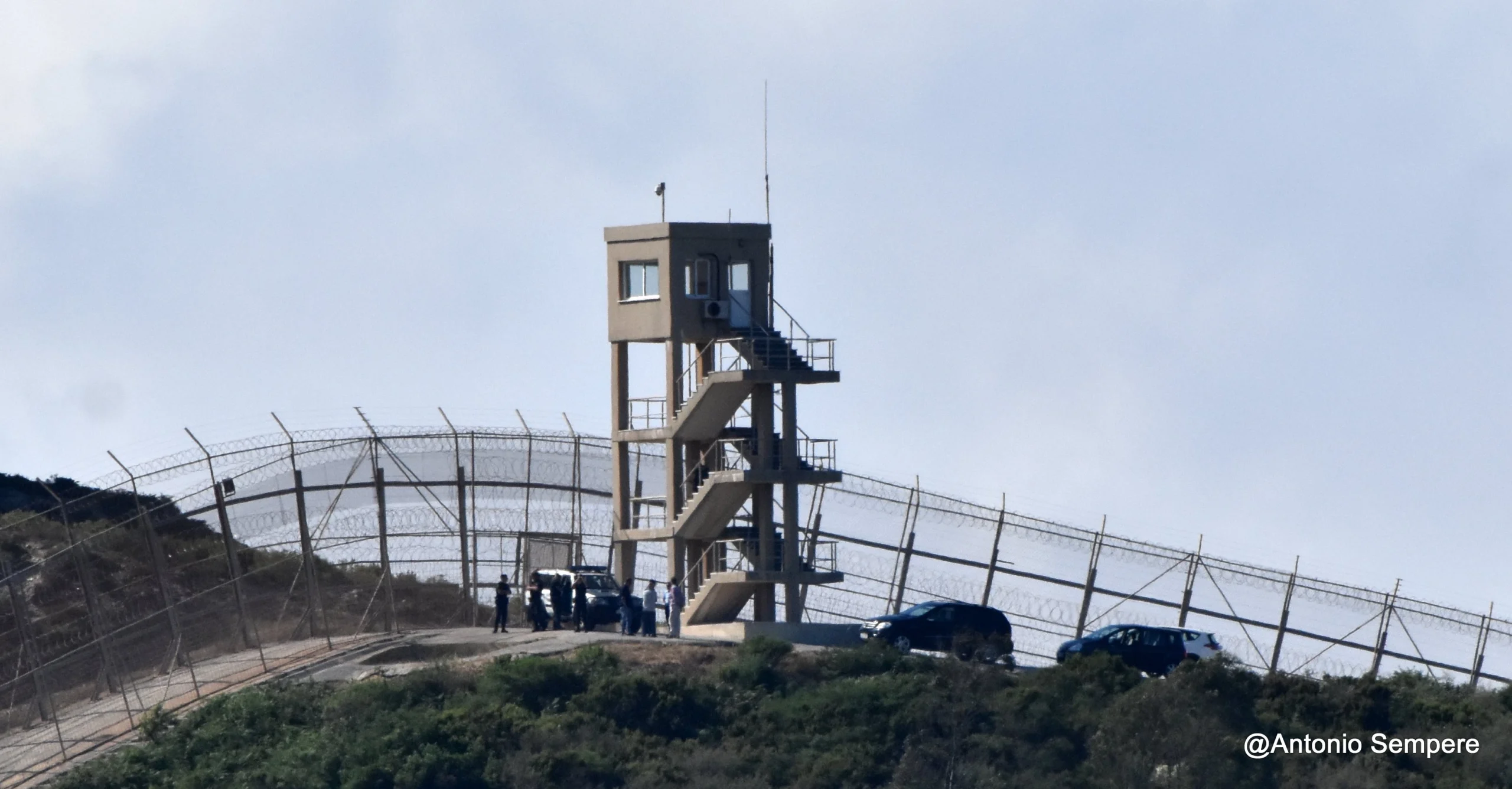
Walls as a system of control
When Trump was using the wall with Mexico as an electoral weapon, we had already been investigating for a year how walls function as an excuse to install systems of control. We produced the first special report in Spain drawing the parallel between Trump’s wall and the Melilla fence. Front page of El País. More than fifty media appearances. A special on Cadena SER’s prime-time show A Vivir.
The wall is not a solution: it is a metaphor that becomes policy. Once you accept that the wall is the answer, you have accepted that the migrant is the threat. And from there, everything that follows — the erosion of rights, the militarisation of borders, the hollowing out of the rule of law — becomes justified.
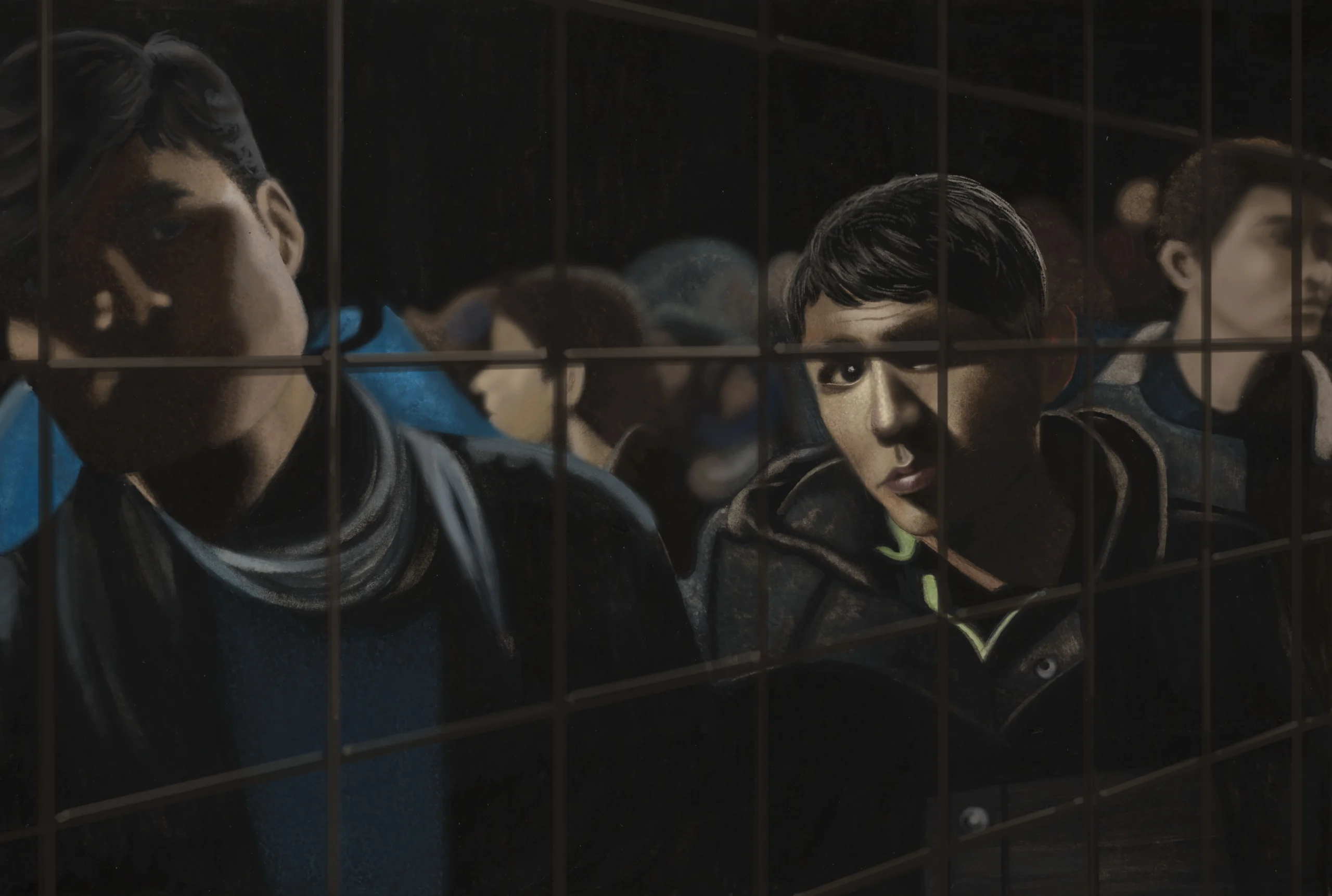
The sexual exploitation of refugee minors in Athens
We exposed the sexual exploitation of young Syrian asylum-seeking minors in Athens and the disappearance of refugee children in Europe. We got the Greek embassy in Madrid to make a public statement. The prostitution and trafficking network in Athens was dismantled.
Some things do not need a self-interest argument. They just need someone to see them. Sometimes journalism does not change laws or topple governments. It just makes something terrible stop happening. That is also enough.
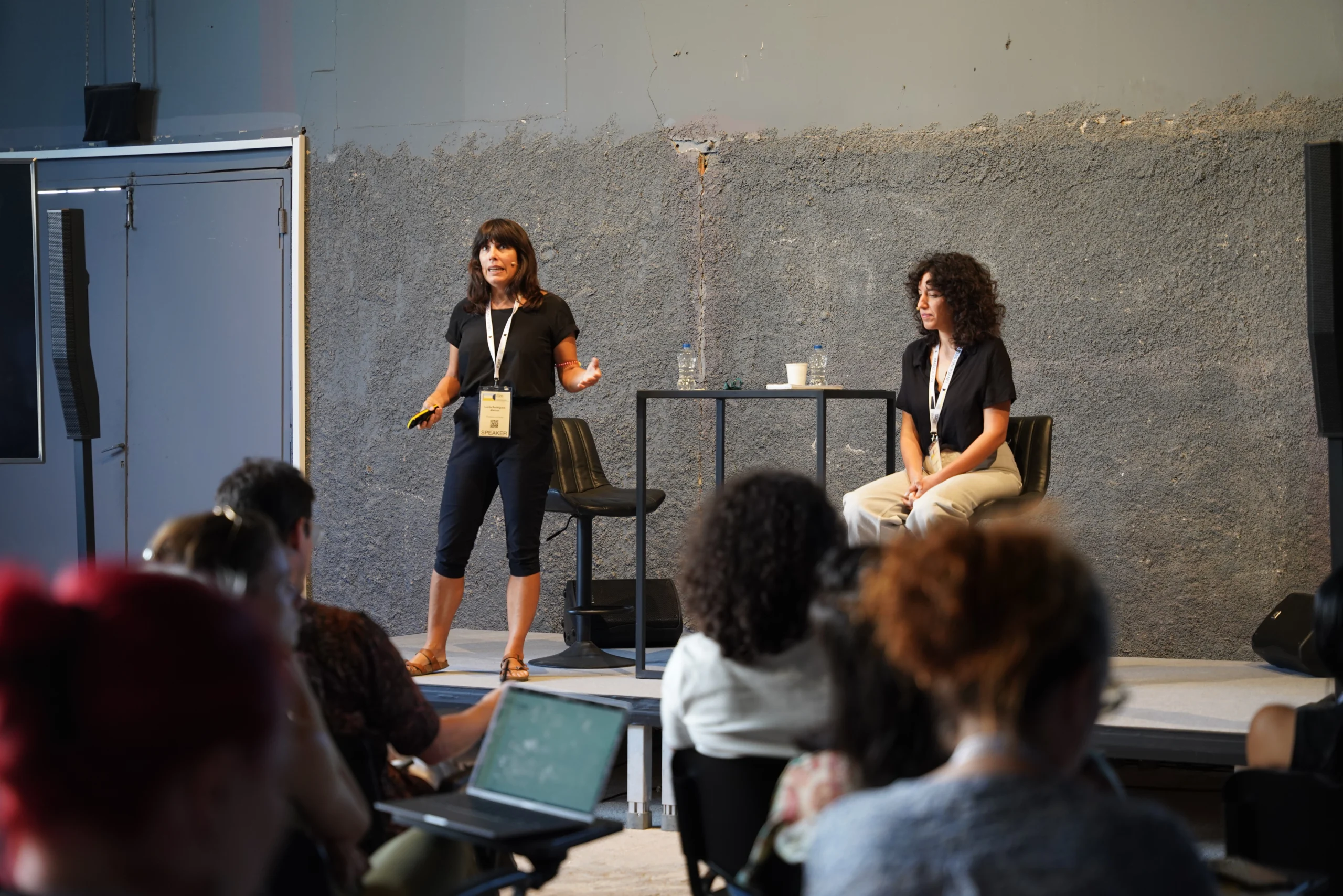
We shaped the language used to talk about migration today
We published the first guide to new migration narratives. The premise: do not respond to provocations, establish new frames for conversation. A radical proposal in 2017 now used by tens of thousands of civil society organisations, political parties and governments across Europe. More than 300 training sessions. The book Activistas del amor in 2025.
The debate about migration is also about democracy: about whether we are willing to allow fear of the other to be used to dismantle the rights and institutions that protect all of us. The injustice suffered by migrants and the erosion of rights suffered by all of us are two sides of the same coin.
We named the industry no one wanted to see
First major special investigation into the Migration Control Industry. We audited who profits from anti-migration policies. We revealed how public money funds surveillance systems and technological walls without democratic accountability. Published with El País, El Confidencial, Al Jazeera, Le Monde and The Guardian. The UN and the Spanish Ombudsman used our work. Our findings forced European Commission investigations.
Your taxes are funding something. Part of the European budget goes to contracts with security companies, to deals with authoritarian governments, to surveillance systems without democratic oversight. What is not investigated does not exist in the debate. What does not exist in the debate cannot be voted on. What cannot be voted on cannot be changed.
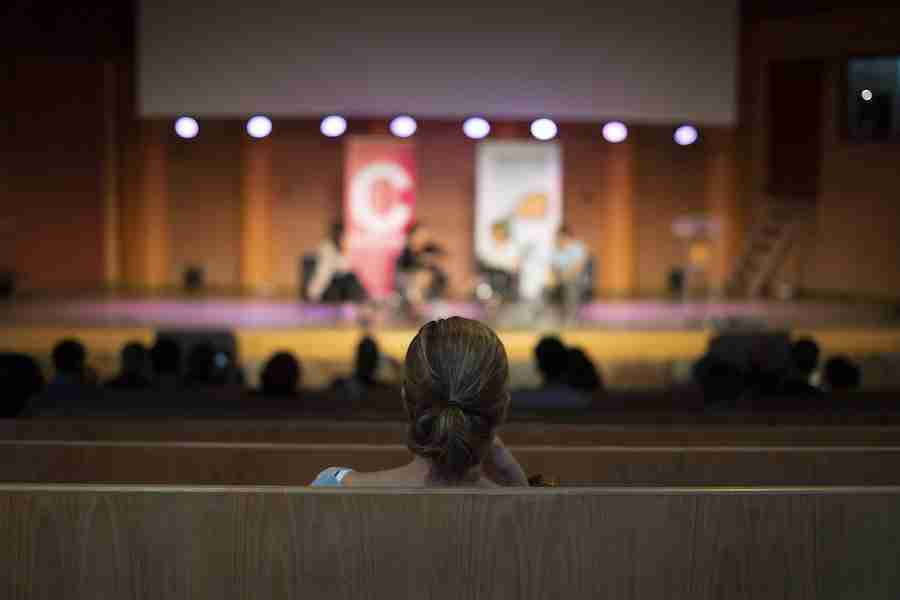
From Mérida, we connected journalists that change the world
We created the world’s only International Migration Journalism Congress. Every year we bring together more than 100 international journalists in Mérida. We have shifted perspectives, introduced the economic angle, given space to those directly affected — including unaccompanied young migrants — and supported freelancers working in precarious conditions.
When a journalist covers migration as a security crisis, you perceive it as a security crisis. The journalists who have come through Mérida return with a different frame. That frame ends up in the media you read. That shift reaches you, without your knowing it.
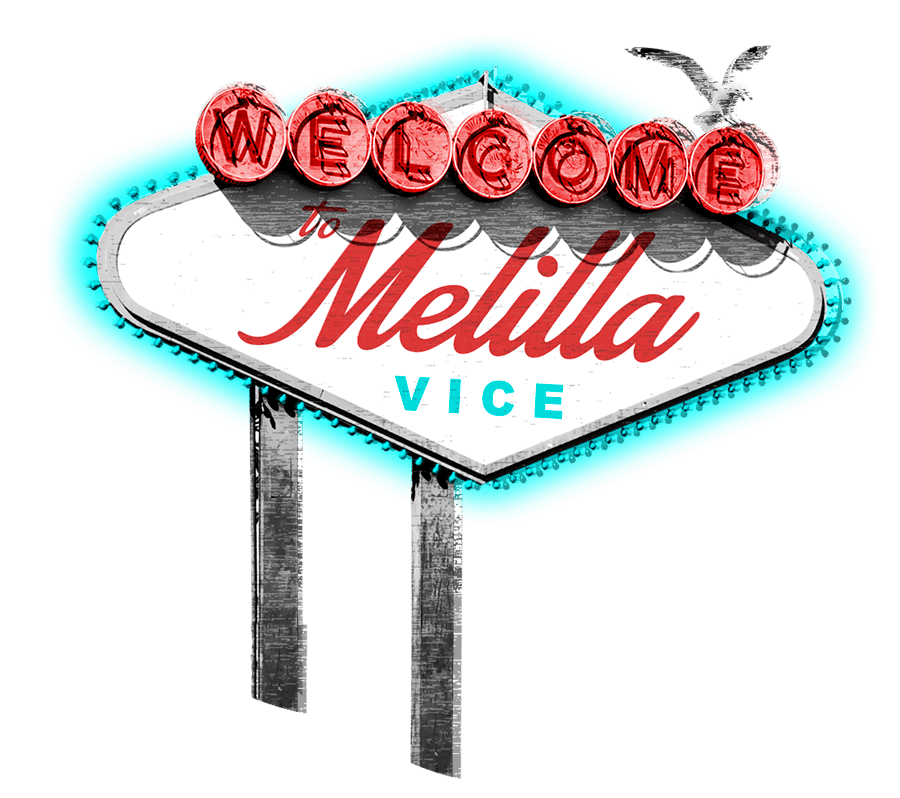
Melilla: we proved that impunity can be broken
Two young men died in institutions under the care of the Melilla government. We reported it. The government threatened and harassed us. On the brink of closure, we kept investigating. In 2019, together with El Confidencial, we published Melilla Vice: the investigation that documented a corruption network spanning more than 20 years. The government lost the elections after 24 years in power.
When impunity is broken in one place, that travels. It proves that investigative journalism has real consequences. That it is worth trying even when everyone says it cannot be done.
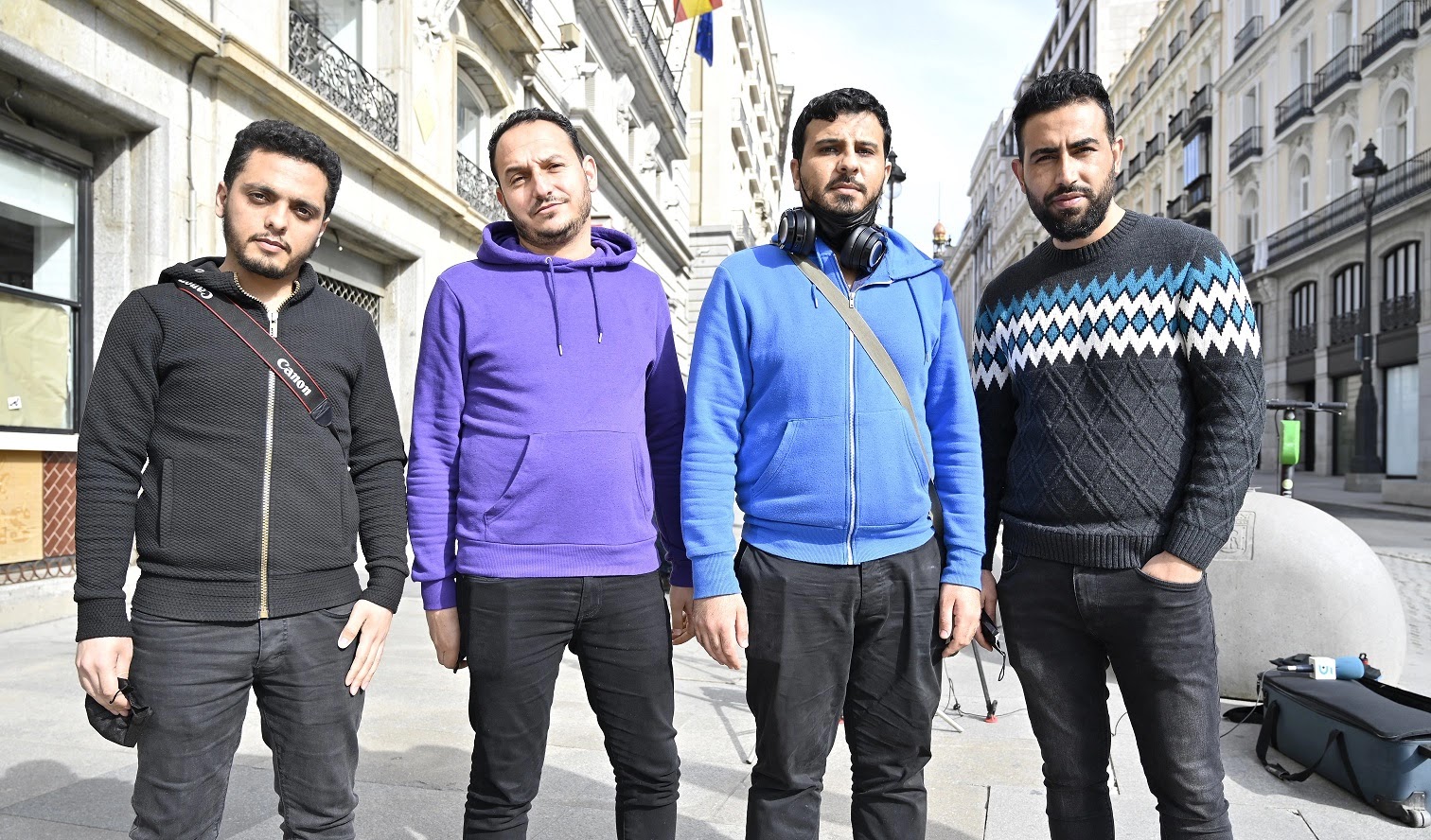
We helped create the first European media outlet run by Syrian refugees
In 2019 we welcomed five Syrian journalists into our office. In 2020 we helped them create Baynana: the first media outlet run entirely by Syrian refugees in Europe. It lasted three years. Three of its members continue working as journalists today.
When the protagonists are also the narrators, the migrant person stops being an object of analysis. That removes otherness. And without otherness, fear is harder, recognition is easier, and genuine coexistence becomes more possible.
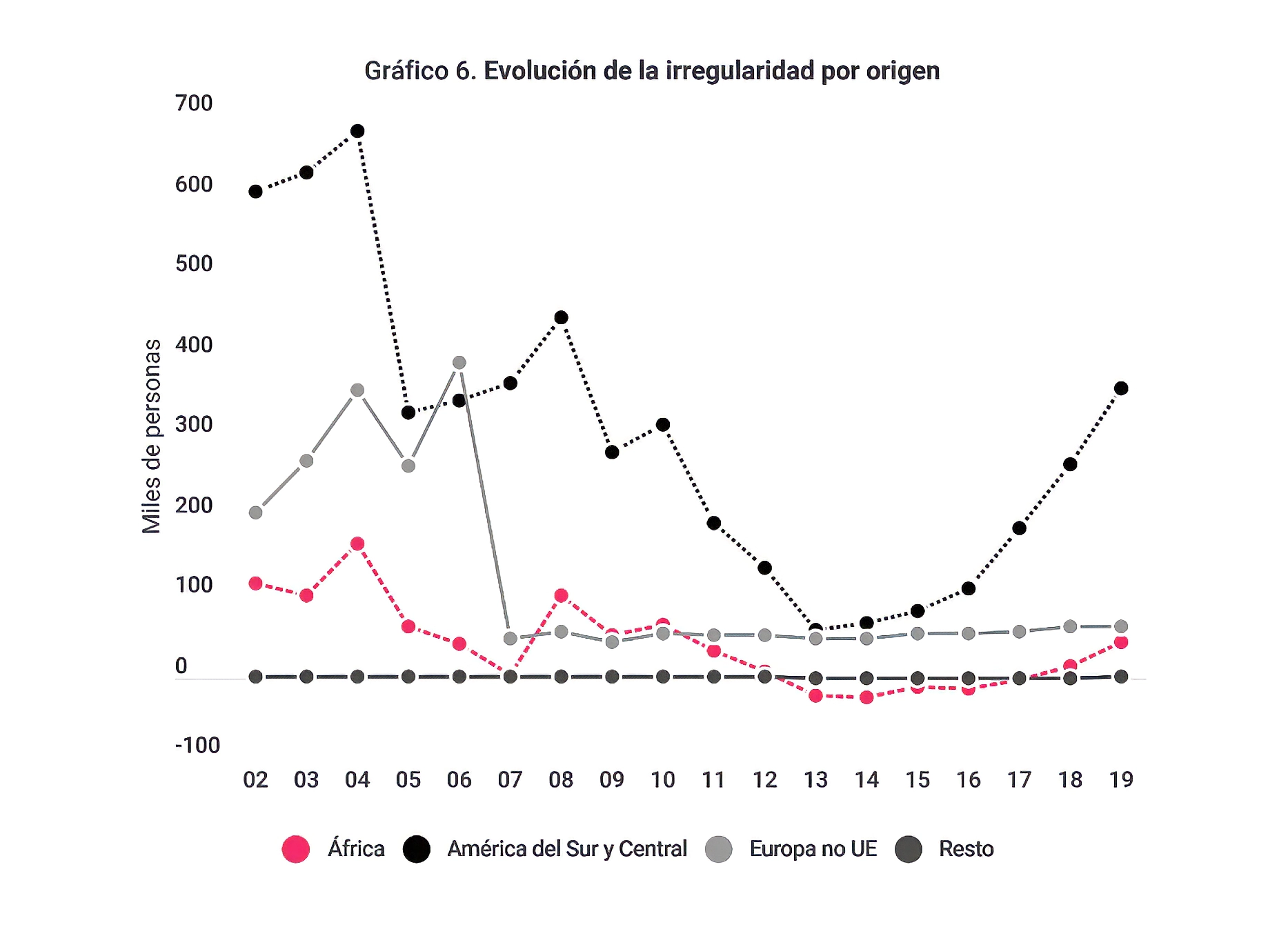
The data nobody had that changed everything
Together with Universidad Carlos III, we published the first study in fifteen years to quantify irregular migration in Spain: between 475,000 and 514,000 people. The fiscal argument: regularisation would generate up to 950 million euros per year in net benefit. It was cited by the Prosecutor General, the European Parliament, the UN Human Rights Council and Human Rights Watch. The extraordinary regularisation of April 2026 was built on that data.
Without data, there is no debate. Without debate, there is no policy. There were hundreds of thousands of people working in your country, paying taxes, caring for your elderly. And the State did not recognise them. We put the data on the table.
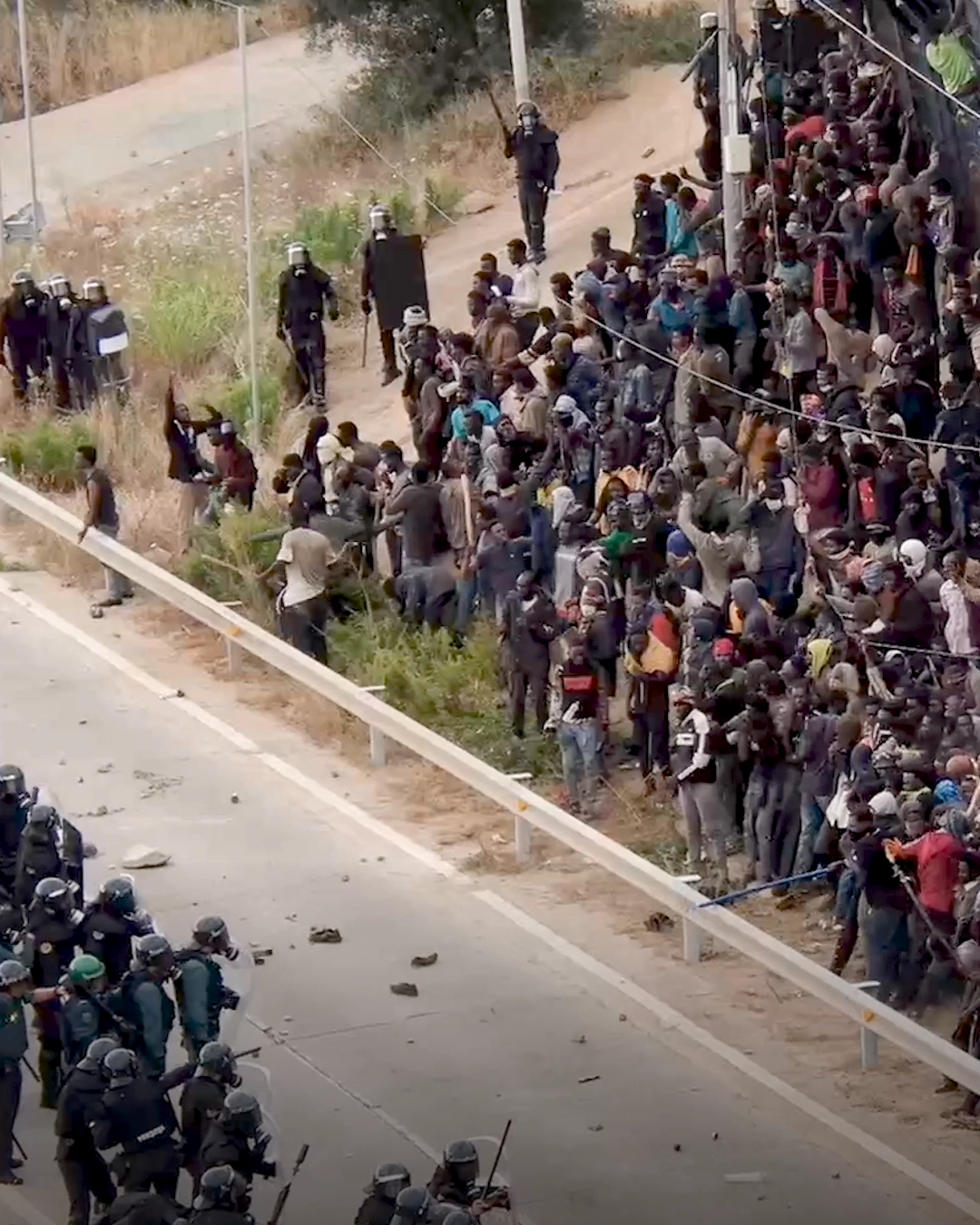
We proved there was at least one death on the Spanish side of the fence during the Melilla Massacre
As part of an international consortium, we proved that at least one person died on the Spanish side during the massacre. His name was Anwar, he was from Sudan, he was 27 years old. The Government denied these facts. The investigation was published in El País, The Washington Post and Le Monde. Minister Marlaska was censured by Congress. The Government was called to account before the European Parliament.
Your Government can tell you the truth or not. Without investigative journalism, there is no way to know. And without knowing, you cannot hold it to account. Not because you do not want to. But because you do not have the information you need to do so.
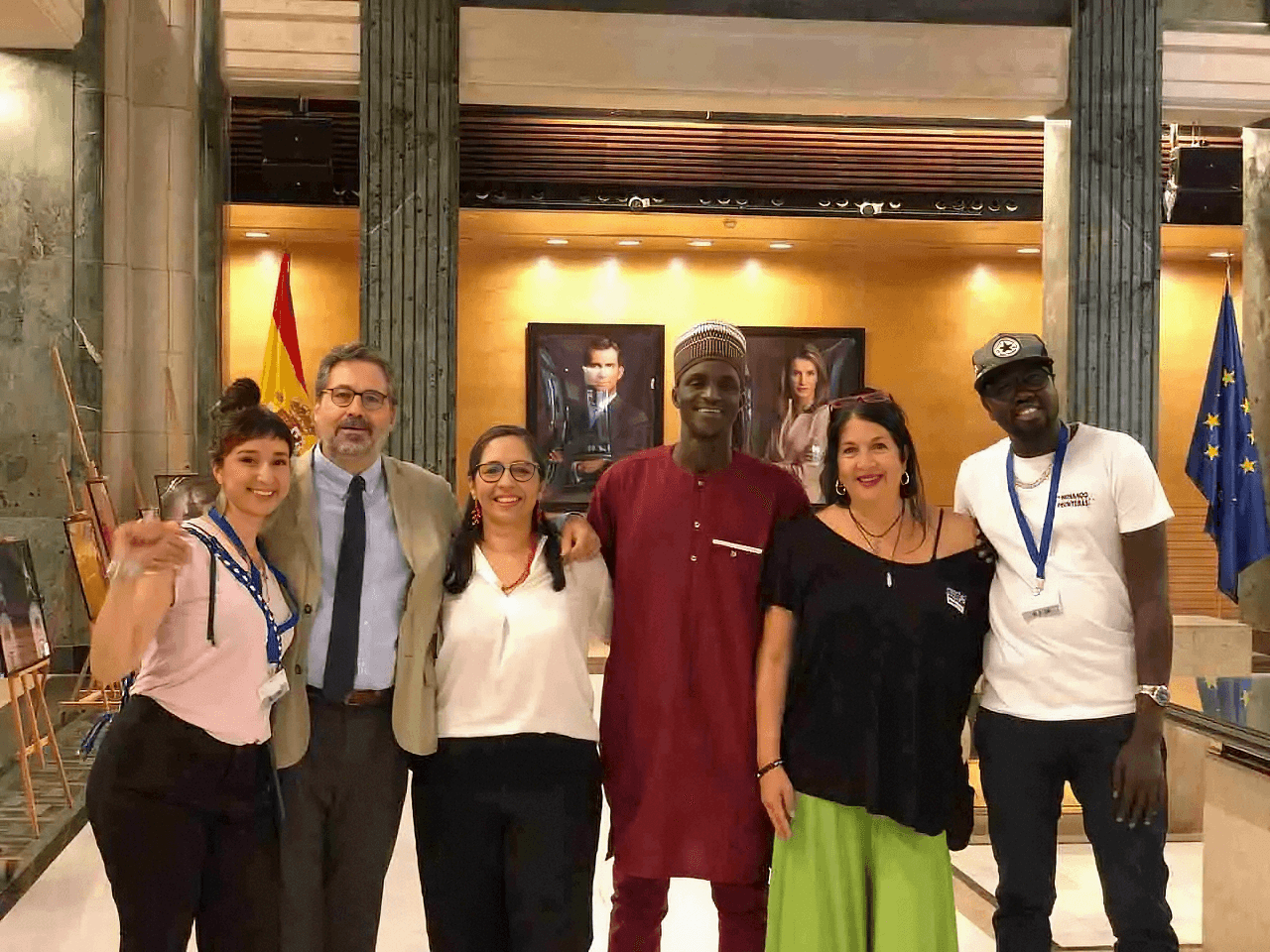
We built the groundwork for the largest regularisation in history
Four cycles of our circular narrative over five years. Data when none existed. Arguments when nobody had them. Migrant voices as protagonists. 900 organisations. 611,821 validated signatures. The Government passed the regularisation in April 2026 using exactly the frames we had built. 500,000 people. Historic consensus.
The decisions that change your country begin long before they are voted on. Change is possible. But it requires invisible work for years before it becomes visible. We do that work.
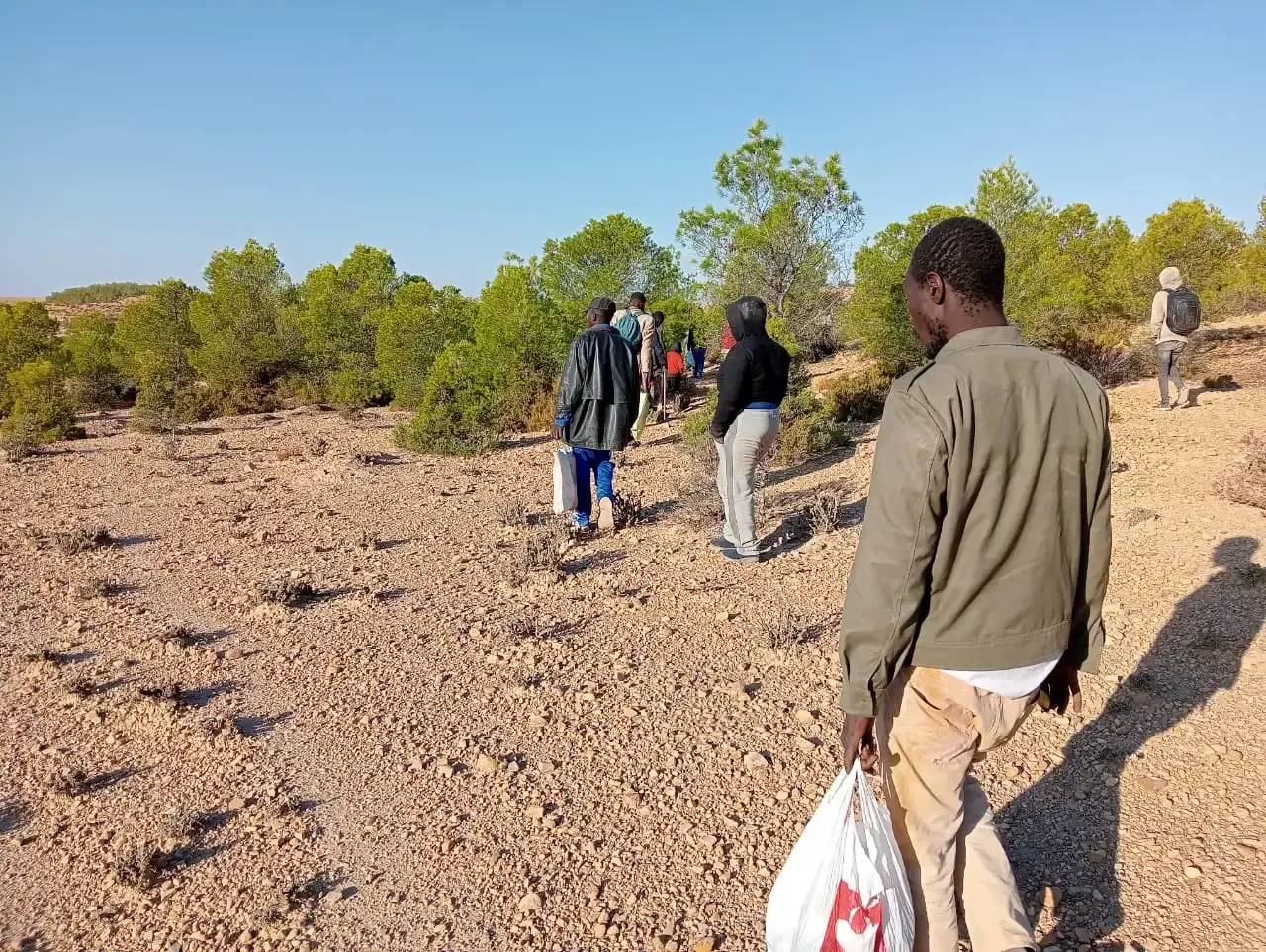
We proved that Spain sponsors the abandonment of migrants in the desert
In collaboration with Lighthouse Reports and Human Rights Watch, we documented that Mauritanian authorities — funded with Spanish equipment — arbitrarily detain Black people and abandon them in Gogui, a desert border with Mali under the control of jihadist groups. Every week, the Spanish National Police received lists of names. UNHCR and IOM were aware.
Spain does not directly abandon anyone in the desert. It funds those who do. It provides the vehicles. It receives the lists. This is done in your name, with your money, under the language of cooperation and human rights.
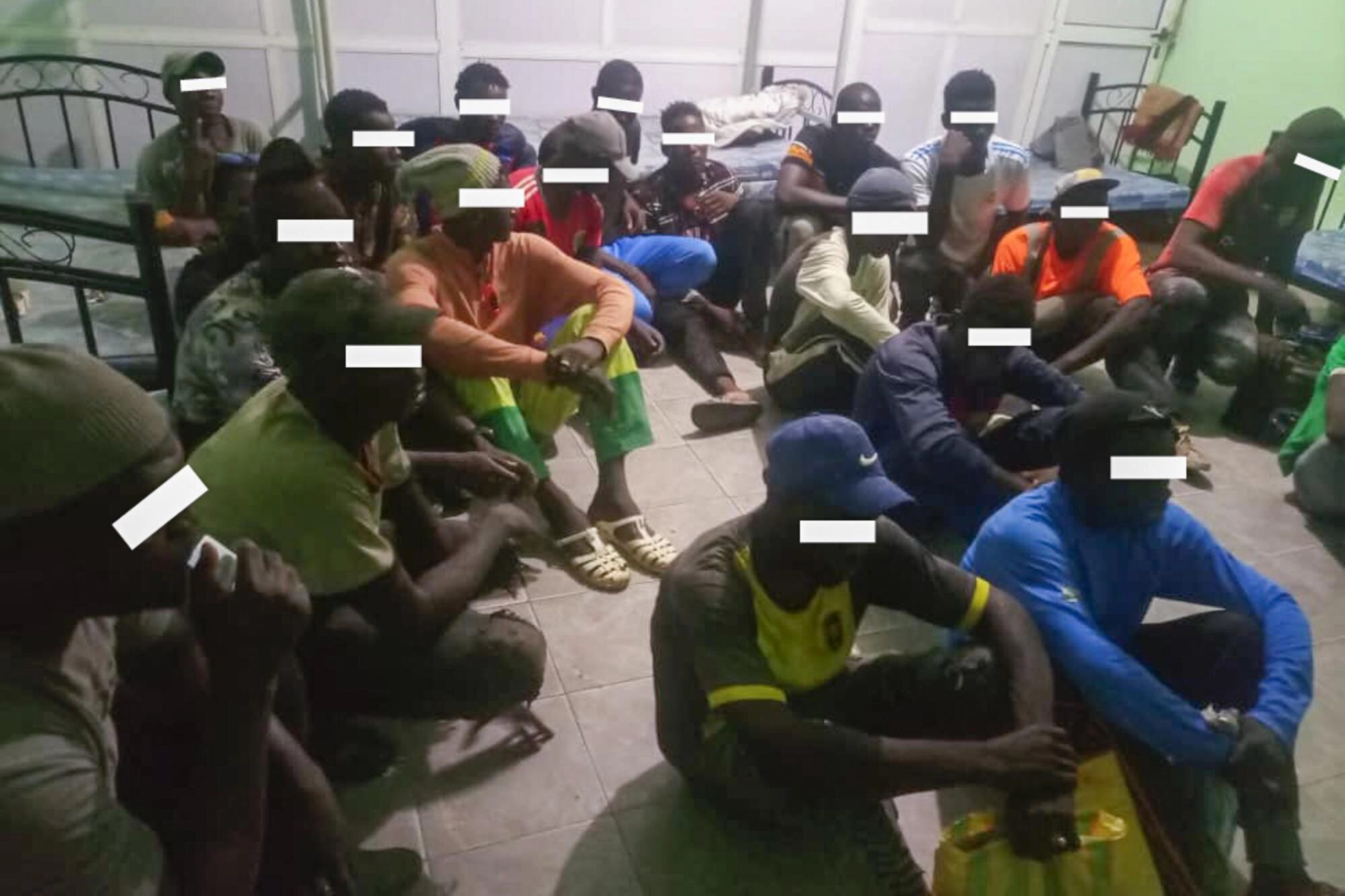
We uncovered that Spain was building migrant detention centres in Mauritania while claiming it would not
The Government said it opposed building migrant detention centres outside Europe. A week earlier, it had already signed contracts to build two in Mauritania. The story was investigated by José Bautista and Pablo Fernández with support from the Pulitzer Center. The centres include cots. Because they also hold babies. More than 30 media outlets picked up the story.
Your money — funds from the Ministry of Foreign Affairs, European budget — is financing this. The Government that claims to defend human rights signs contracts that violate them thousands of kilometres away. Nobody looks. Except those who go looking.
An office that is much more than an office
We started as four people and a borrowed office. Today we are eleven full-time staff with our own office in the centre of Madrid.
It is an open space: migrant artists who need somewhere to run workshops, organisations with nowhere to meet, people from the neighbourhood who drop in, Syrian journalists who needed a place to get started.
We could work from home. We have chosen not to.
We train the next generation
More than 200 volunteers and young interns have come through porCausa. Every young person who has been here has gone on to find work.
Volunteering and internships are not an add-on: they are part of who we are. Each intern carries with them a method, an ethic and a way of seeing. That multiplies.
And that multiplier is what ensures that the work that seems impossible today becomes possible in ten years.
Support our work
Ten years of impact.
The next step, with you.
We are independent because you support us. Every regular donor makes possible the journalism that changes what matters.
Join usThey told us irregular migration could not be quantified.
We did it.
They told us we could not reach conservative audiences.
We did it.
They told us we could not build a cross-partisan coalition.
We did it.
They told us we could not change migration policy in Spain.
We did it.
What comes next also seemed impossible.
We are already working on it.